
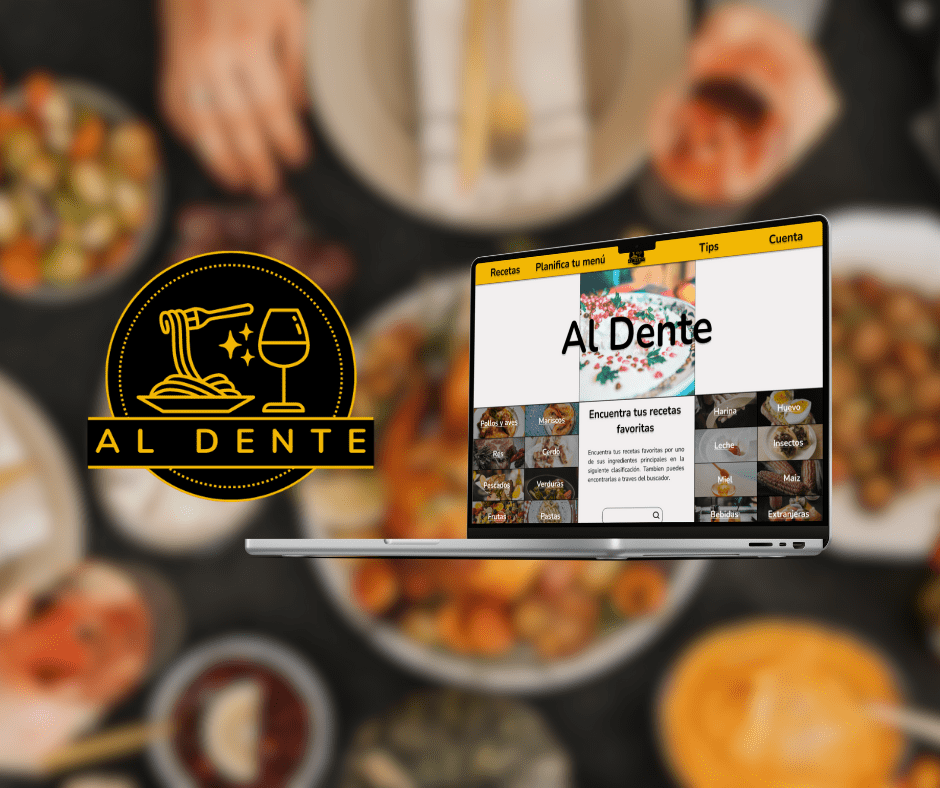
The Problem
Users are searching for online cooking tutorials that are accessible and easy to follow in order to improve their culinary skills.
The Goal:
To develop an accessible cooking tutorial website for all users, regardless of the mobile device they use to access the internet.
My Role: |
Target Audience: |
|
UX/UI Designer |
My focus was on anyone interested in learning or improving their cooking skills. |
Responsibilities: |
Duration: |
|
User research, surveys, personas, ideation, usability testing, interactive low- and high-fidelity prototypes, wireframes, and competitor audits. |
January 2023 – March 2023 |
User Research:
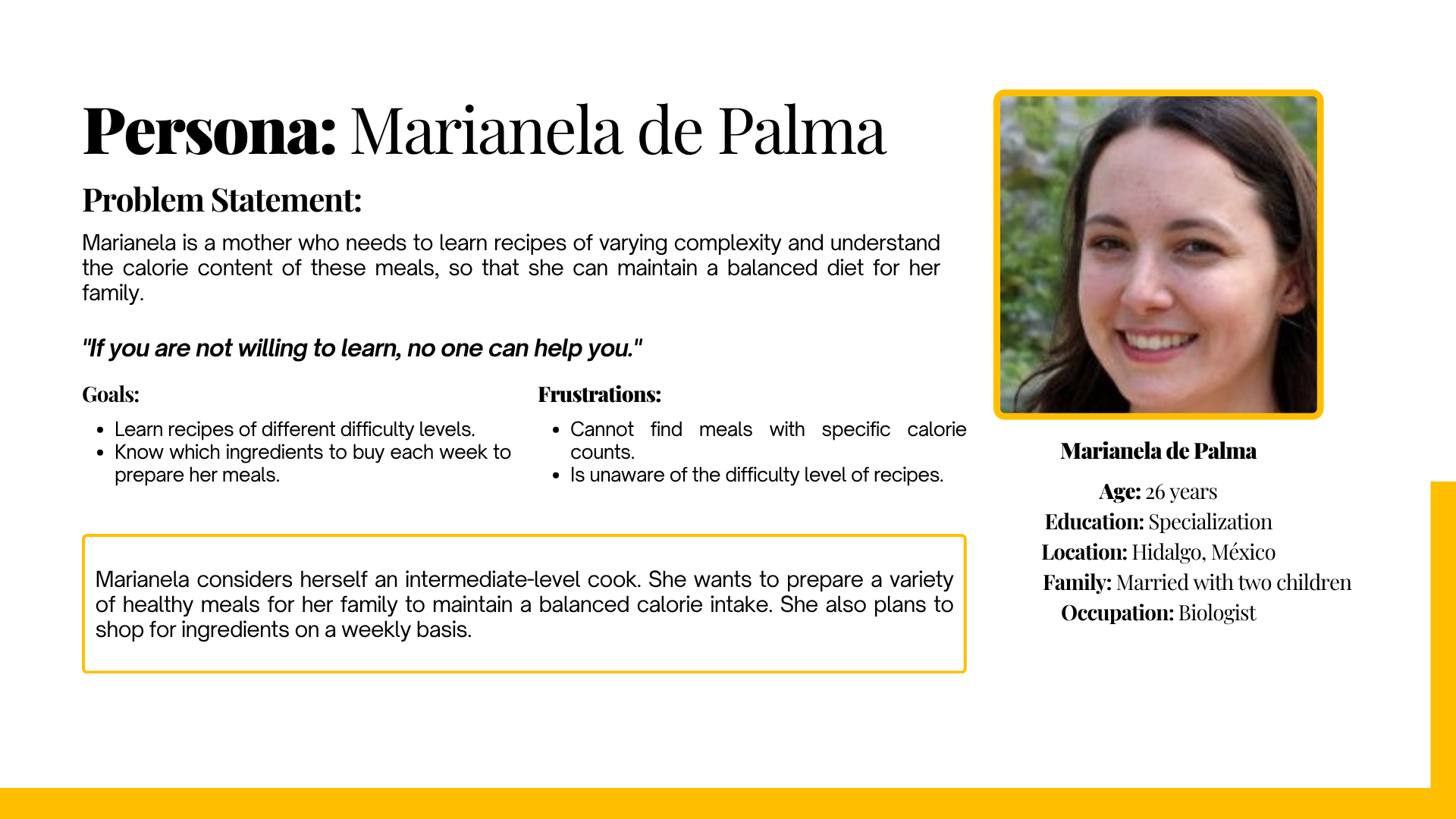
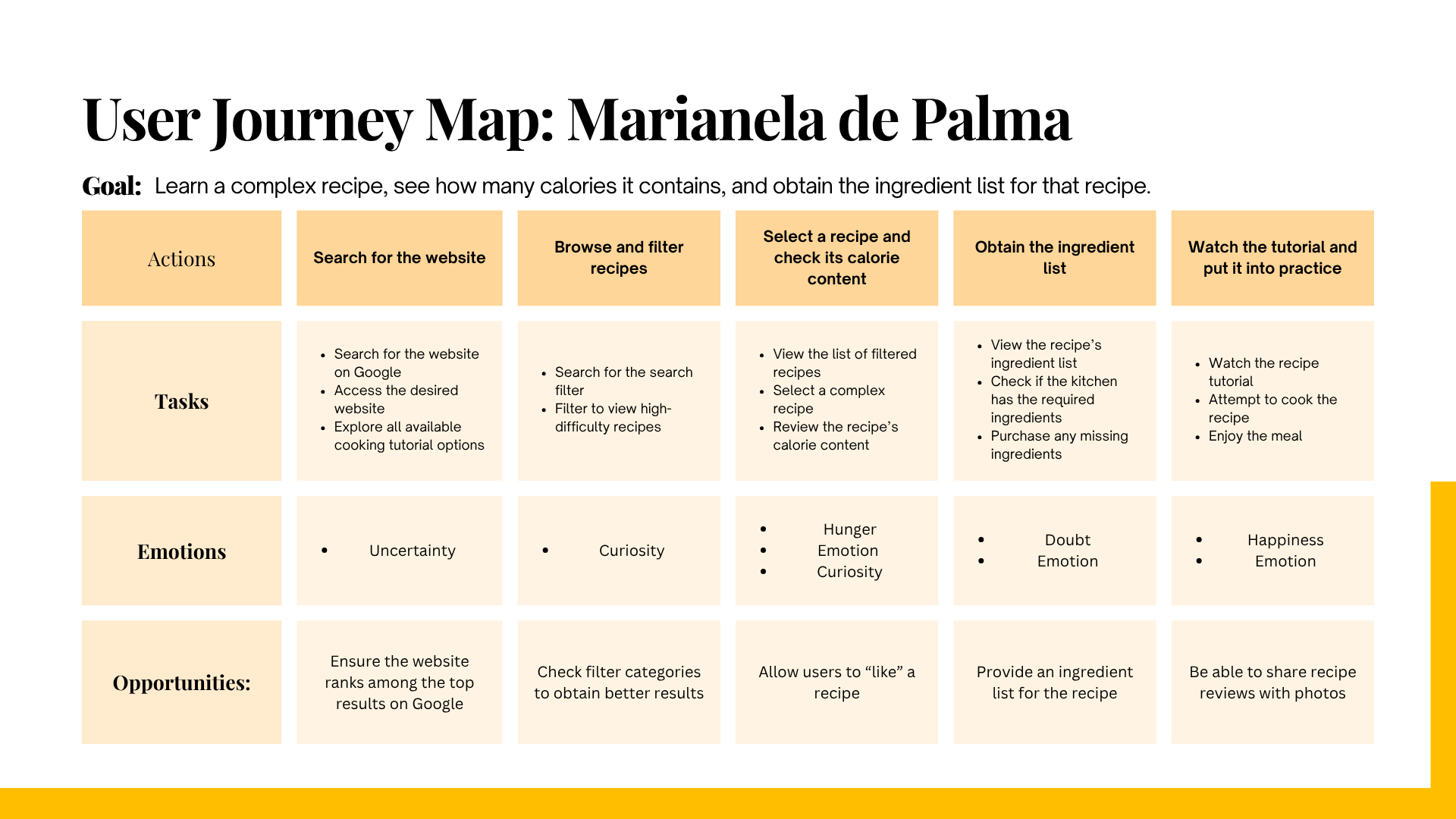
Through a survey, I identified users’ needs and preferences, which included the lack of a weekly meal plan, difficulties finding recipes suitable for their skill level, common cooking mistakes, and lack of culinary inspiration. There was a strong interest in learning to cook a variety of dishes. Using this information, I created a representative persona that reflected the most common user challenges. I developed problem statements and hypotheses to design effective solutions. Additionally, I conducted competitor research to better understand the current cooking tutorial website market.
Designs:
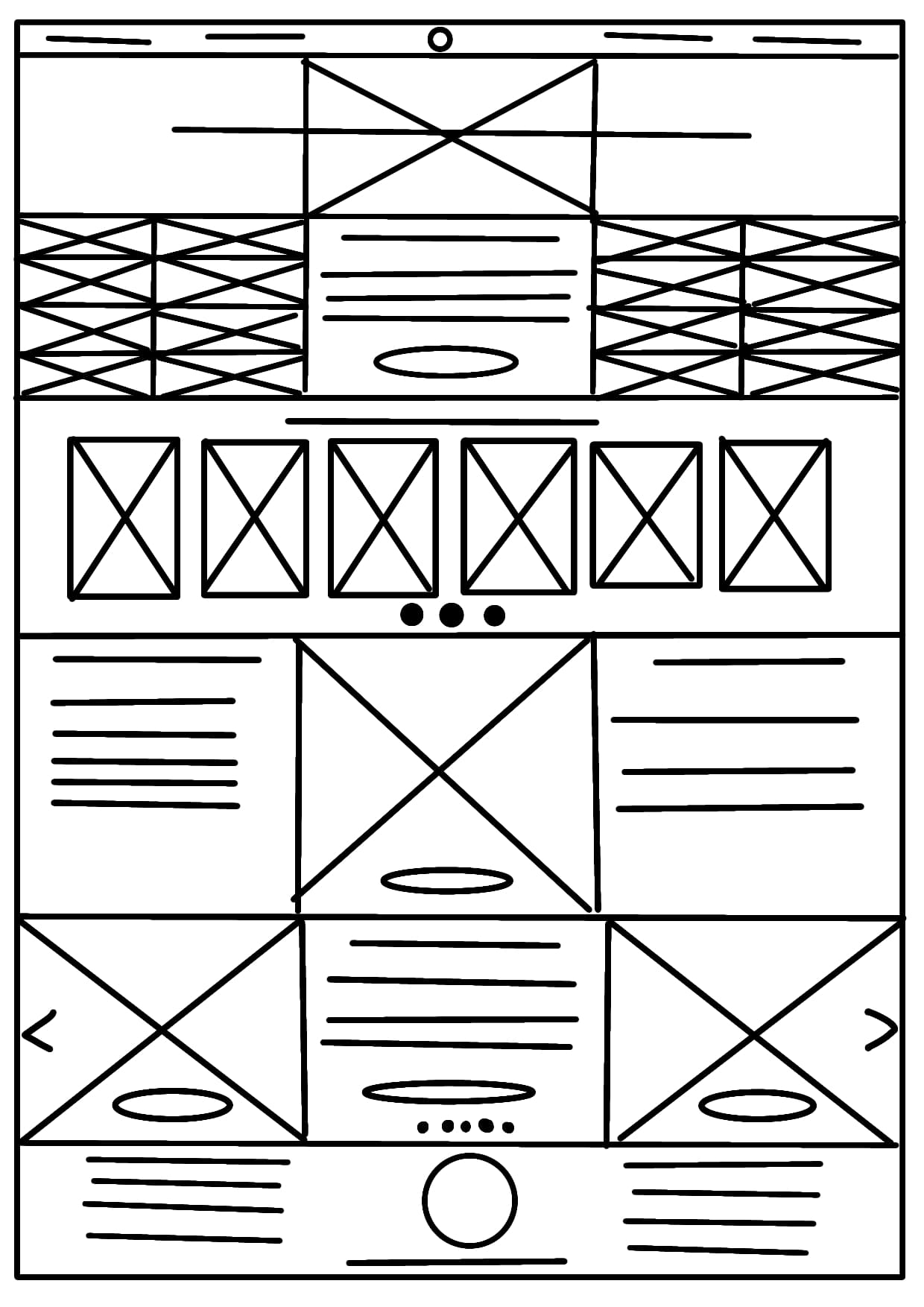
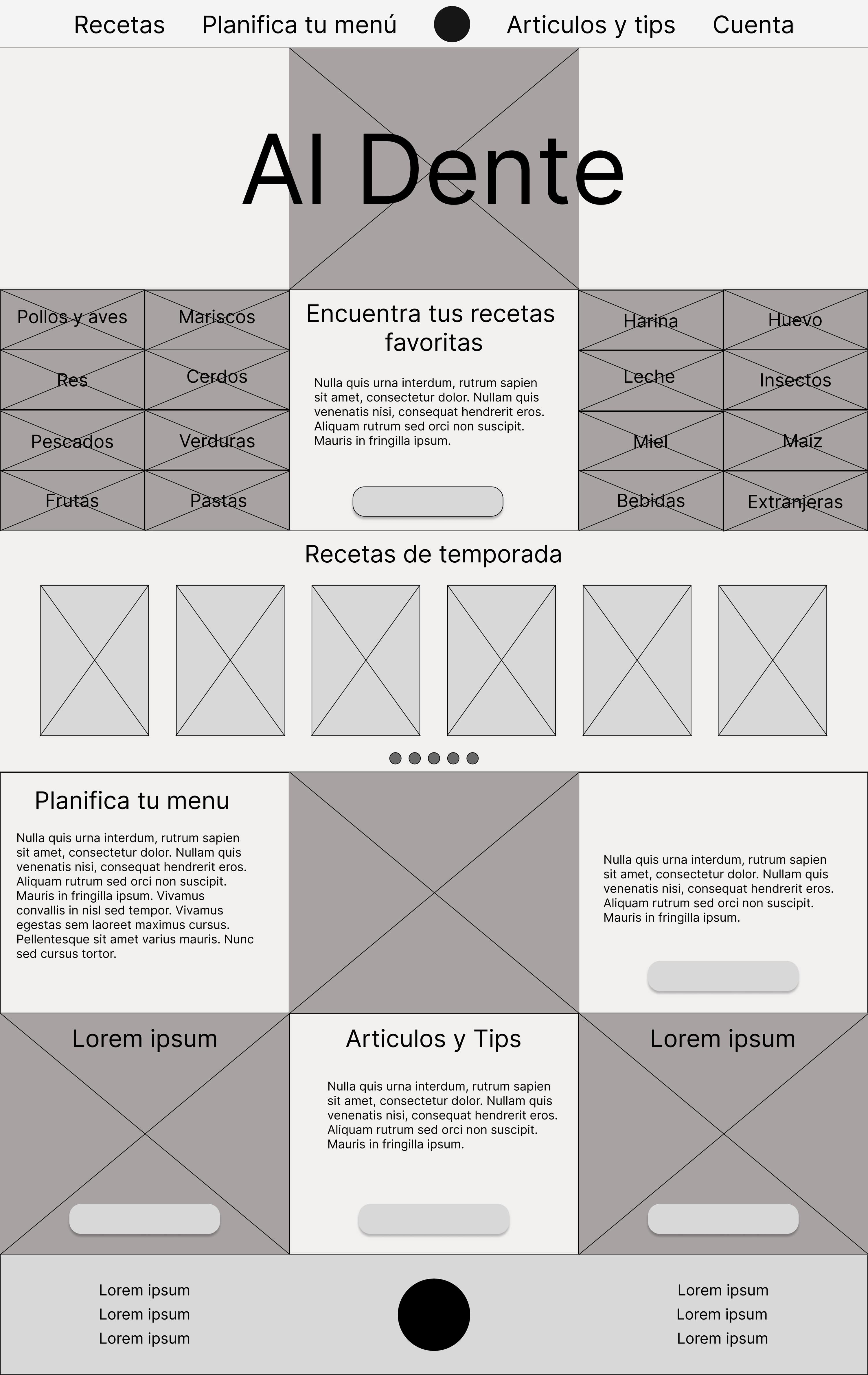
To start the design process, I created paper sketches for the key pages, selecting the most promising versions to develop an attractive and easy-to-navigate layout. Later, I created digital wireframes as part of the iterative design process.
Usability Study:
I conducted an independent remote usability study with five participants. From this process, I identified three key insights:
- Since food allergies can be life-threatening, users must be able to specify them to exclude certain recipes.
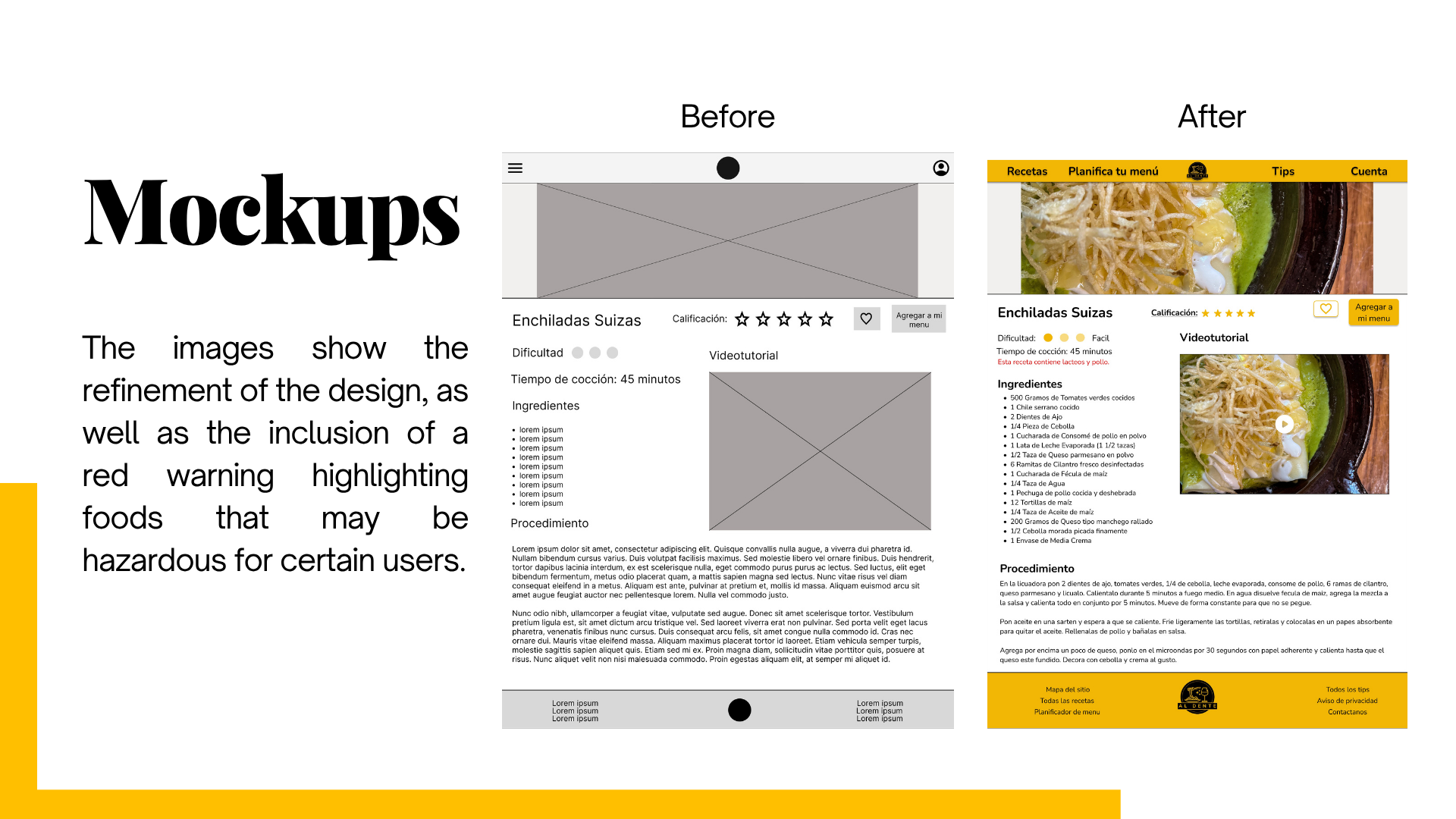
- Each recipe is highlighted in red to warn about ingredients that may pose risks to some users.
- Enhancing filter options allows users to find more accurate and specific recipe results.
High-Fidelity Mockups and Prototype:
Based on the usability study results, several adjustments and improvements were implemented, leading to the creation of the final mockups. You can explore the high-fidelity prototype at the following link:
Al Dente High-Fidelity Prototype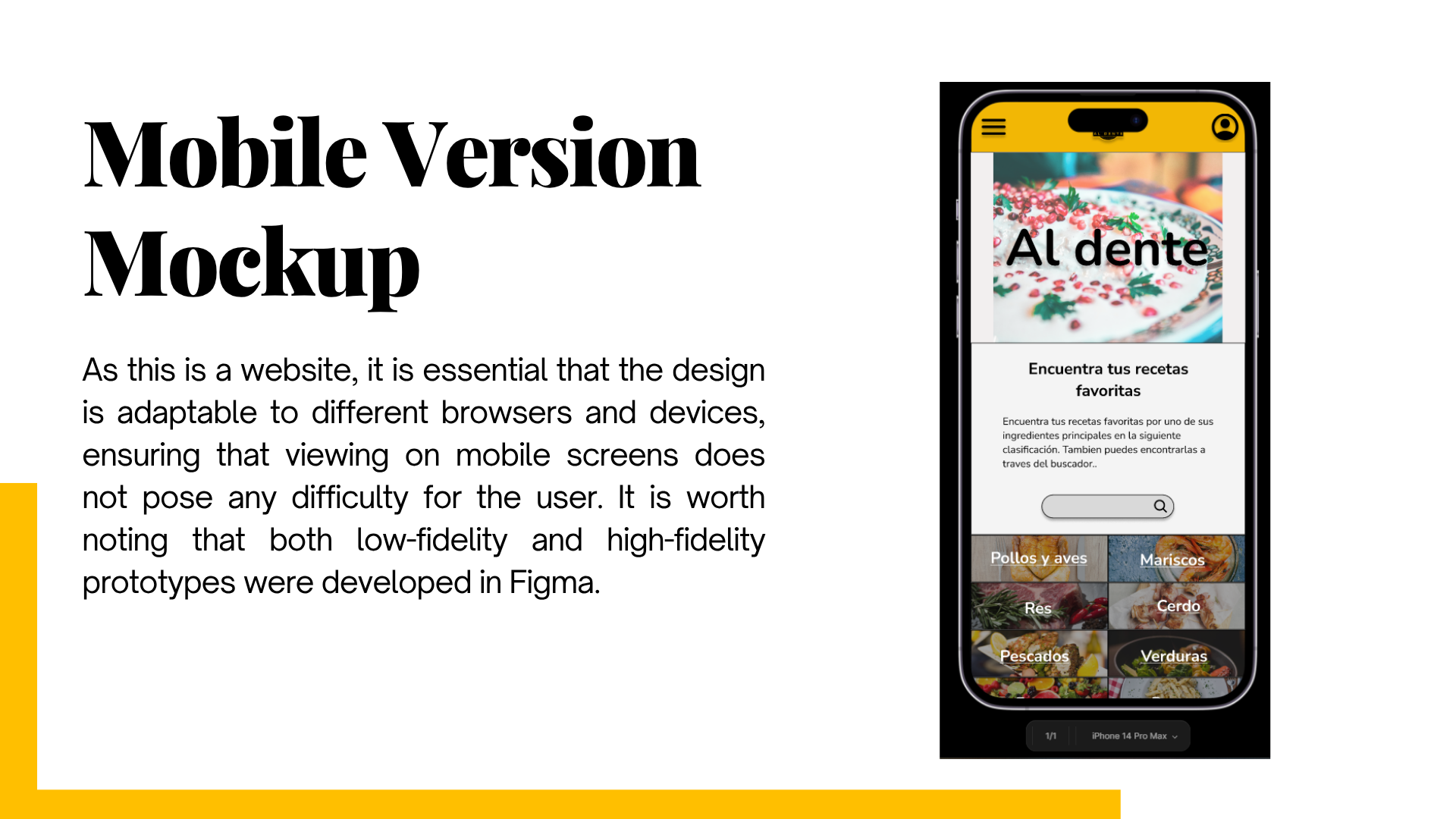
Al Dente Case Study on Behance
Conclusions and Next Steps:
I recognized the importance of maintaining health through proper nutrition, as it can have a significant impact on our lives. I also understood how user needs and preferences are key to providing effective design solutions. Valuing feedback from a diverse audience proved crucial to continuously improving the design project. This process also helped me learn how to effectively adapt a website layout from desktop to mobile devices.
“It’s very effective to find recipes so quickly.”
Future considerations include:
- Add downloadable ingredient lists for planned menus.
- Include videos or tips from famous chefs to enhance cooking skills.
- Add vegetarian or vegan recipe alternatives.